
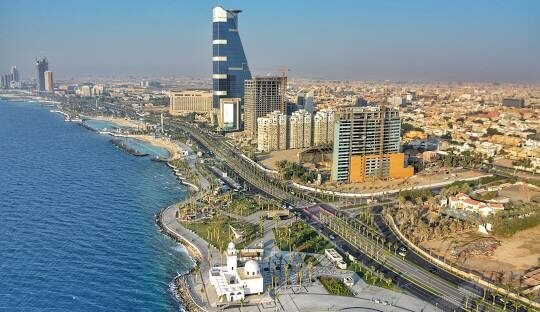
Saudi Arabia has received a prestigious international acknowledgment as Jeddah and Medina join the World Health Organization’s global network of Healthy Cities. The Ministry of Health celebrated this milestone, noting that it marks an important step toward advancing urban health standards and aligning with global best practices.
The WHO Healthy Cities initiative is designed to promote urban environments where public health is a central priority. Cities selected for the network demonstrate innovative strategies in healthcare, disease prevention, environmental quality, and citizen engagement. For Jeddah and Medina, this recognition is both an honor and a roadmap for continuous improvement.
Local authorities have focused on creating conditions that support healthy lifestyles. Green spaces, parks, and recreational facilities have been expanded, while public transport options and pedestrian pathways have been improved to encourage physical activity. Efforts to reduce air pollution, promote mental well-being, and ensure equitable access to healthcare services have also been key initiatives.
Citizen participation has been a cornerstone of this success. Residents have contributed to health campaigns, community planning, and awareness initiatives, ensuring that city programs meet the needs of the people. This engagement fosters stronger community ties and ensures long-term sustainability of health programs.
Joining the WHO Healthy Cities network also opens doors for international collaboration. Jeddah and Medina can now exchange knowledge with cities worldwide, adopt innovative urban health solutions, and participate in global research initiatives. Such interactions help enhance their capacity to respond to emerging health challenges and improve residents’ overall quality of life.
The recognition also resonates with the objectives of Saudi Vision 2030, which emphasizes sustainable development, economic diversification, and social well-being. By integrating health into urban planning, Jeddah and Medina demonstrate a forward-thinking approach to city management.
This milestone establishes both cities as leaders in urban health in the Middle East, providing a model for other urban centers seeking to combine innovation, community involvement, and public well-being in the design of livable cities.


