
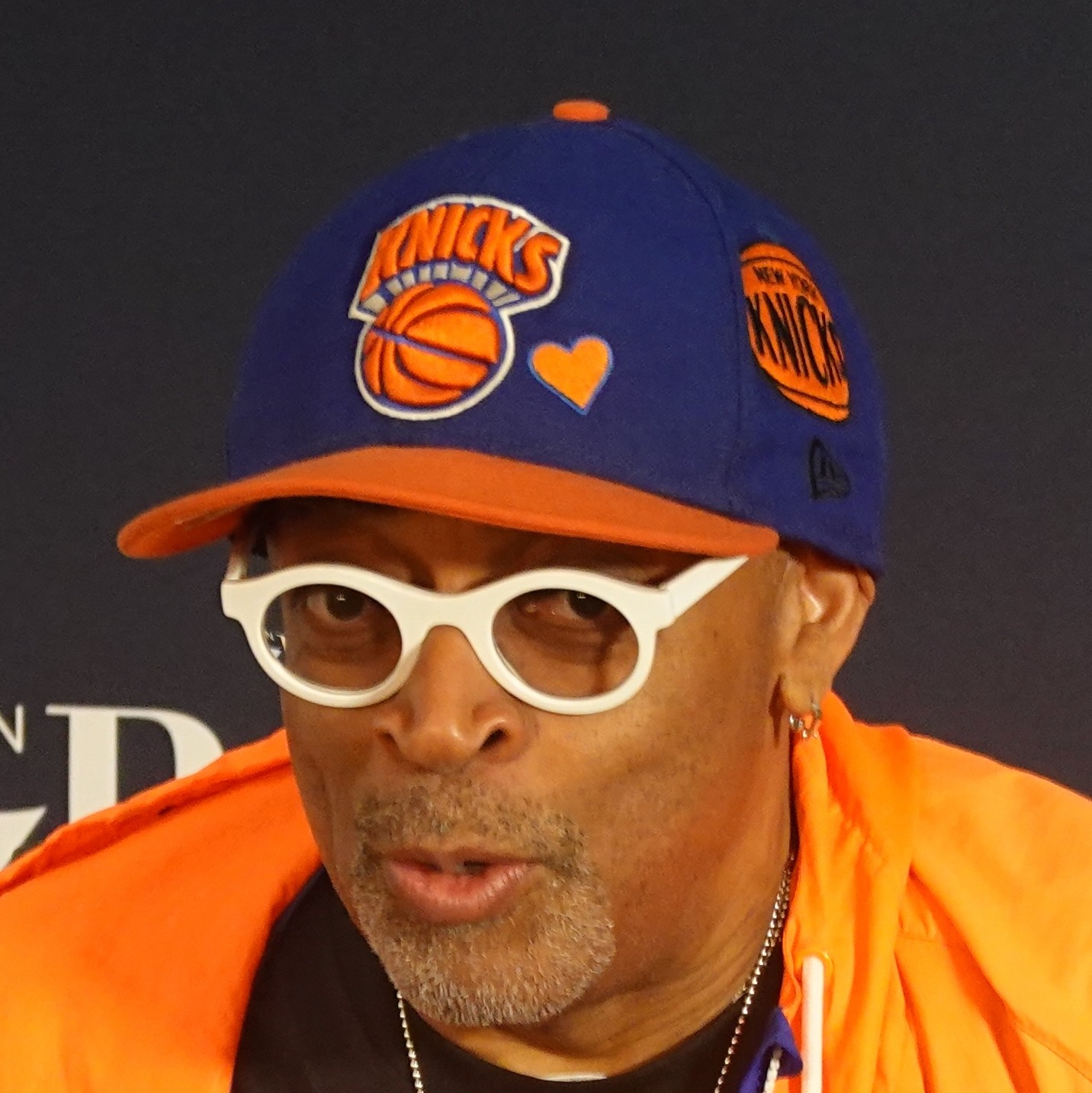
Renowned filmmaker Spike Lee, who recently premiered his latest film Highest 2 Lowest at the Festival de Cannes, made a return appearance at The American Pavilion, engaging with emerging filmmakers and industry professionals.
During his visit, Lee shared insights into his director’s toolkit, creative process, and career longevity, offering a rare glimpse into the techniques and strategies that have defined his iconic body of work.
“Every project is a chance to challenge yourself,” Lee told attendees, emphasizing experimentation and personal vision as core elements of his filmmaking approach.
A Career Defined by Bold Vision
Spike Lee’s journey began in the 1980s with his breakthrough debut, She’s Gotta Have It, which announced the arrival of a daring new voice in American cinema. He went on to direct landmark films such as Do the Right Thing, Malcolm X, Jungle Fever, and Inside Man, consistently blending sharp social commentary with dynamic visual storytelling.
Over the decades, Lee has built a body of work that confronts issues of race, identity, inequality, and power in the United States. His 2018 film BlacKkKlansman earned him the Academy Award for Best Adapted Screenplay, confirming his lasting influence on contemporary cinema. Beyond feature films, he has also directed documentaries, commercials, and music videos, while mentoring young filmmakers and teaching at New York University’s Tisch School of the Arts.
Lee’s signature style—direct address to camera, vibrant color palettes, kinetic tracking shots, and powerful soundtracks—has made him one of the most recognizable auteurs of his generation. His production company, 40 Acres and a Mule Filmworks, has become synonymous with independent spirit and cultural impact.
President of the Jury at Cannes 2021
Spike Lee’s relationship with Cannes goes far beyond premieres. In 2021, he made history as the first Black President of the Jury in the festival’s history. Presiding over the competition during a particularly symbolic post-pandemic edition, Lee played a central role in awarding the Palme d’Or to Titane, marking a historic moment as Julia Ducournau became only the second woman ever to receive the festival’s highest honor.
His presidency was widely noted for its energy, candor, and passion for cinema. Lee openly celebrated bold, innovative storytelling and emphasized diversity and inclusion within the global film industry. His presence at the helm of the jury reflected both his artistic stature and his longstanding commitment to challenging conventions.
Sharing Experience and Advice
At The American Pavilion, the session highlighted Lee’s continued commitment to mentorship and knowledge-sharing. He discussed how directors can balance artistic integrity with audience engagement, the importance of rigorous pre-production planning, and ways to navigate an evolving film landscape shaped by streaming platforms and shifting audience habits.
Lee encouraged young filmmakers to remain fearless: to tell stories that matter personally, to protect their creative voice, and to understand both the artistic and business dimensions of filmmaking. Drawing from decades of experience, he stressed discipline, preparation, and collaboration as keys to longevity in a competitive industry.
A Platform for Emerging Voices
The American Pavilion continues to serve as a professional forum for filmmakers worldwide, providing access to industry leaders like Spike Lee. His return reinforced Cannes’ role as a global platform for dialogue between established auteurs and the next generation of talent.
For attendees, Lee’s presence was more than symbolic. It offered direct access to one of contemporary cinema’s most influential figures—an artist whose career spans nearly four decades and whose impact resonates far beyond the screen. By sharing both his successes and the lessons learned along the way, Spike Lee once again demonstrated why his voice remains essential in international cinema.


