
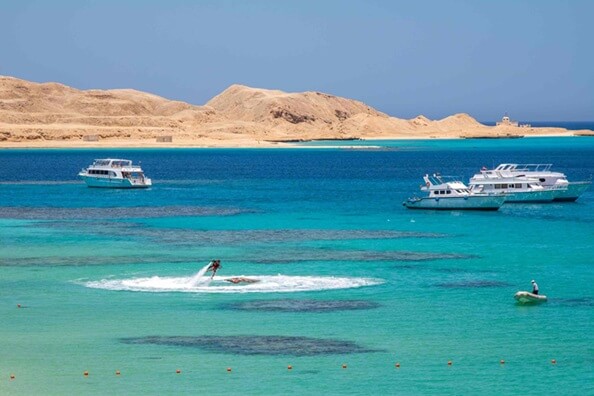
The Middle East’s travel and tourism sector is a cornerstone of the regional economy, projected to contribute $367.3 billion in 2025 while providing employment for 7.7 million people. This level of economic and social impact demonstrates the sector’s importance to governments and businesses across the region.
Saudi Arabia is spearheading this growth with ambitious projects under its Vision 2030 initiative. Investments in hotels, resorts, and cultural sites aim to diversify the economy, create jobs, and attract a growing number of international travelers. Expected tourism revenue is anticipated to reach SAR 447.2 billion, a record-breaking figure that highlights the Kingdom’s commitment to tourism development.
The UAE continues to benefit from its reputation as a premier global destination. Dubai welcomed 5.31 million international visitors in Q1 2025, an increase of 3% year-on-year. The country’s advanced infrastructure, luxury attractions, and transit connectivity make it a central hub for leisure and business tourism.
Other Middle Eastern countries are joining forces to enhance regional tourism. Qatar, Bahrain, Kuwait, Oman, and Jordan have adopted cooperative strategies to promote the region as a single, attractive destination. These partnerships not only boost visitor numbers but also allow for knowledge sharing, marketing synergy, and sustainable tourism practices.
Emerging markets like Jordan have seen visitor growth from Europe, Asia, and the Americas, further demonstrating the region’s appeal. There is also a strong focus on sustainable tourism, with initiatives designed to protect natural landscapes, preserve cultural heritage, and ensure inclusive growth for local communities.
In summary, the Middle East’s tourism industry in 2025 is thriving, generating billions in revenue and supporting millions of jobs. Through strategic investments, regional cooperation, and a commitment to sustainable development, the region is set to remain a vital global tourism hub for years to come.


